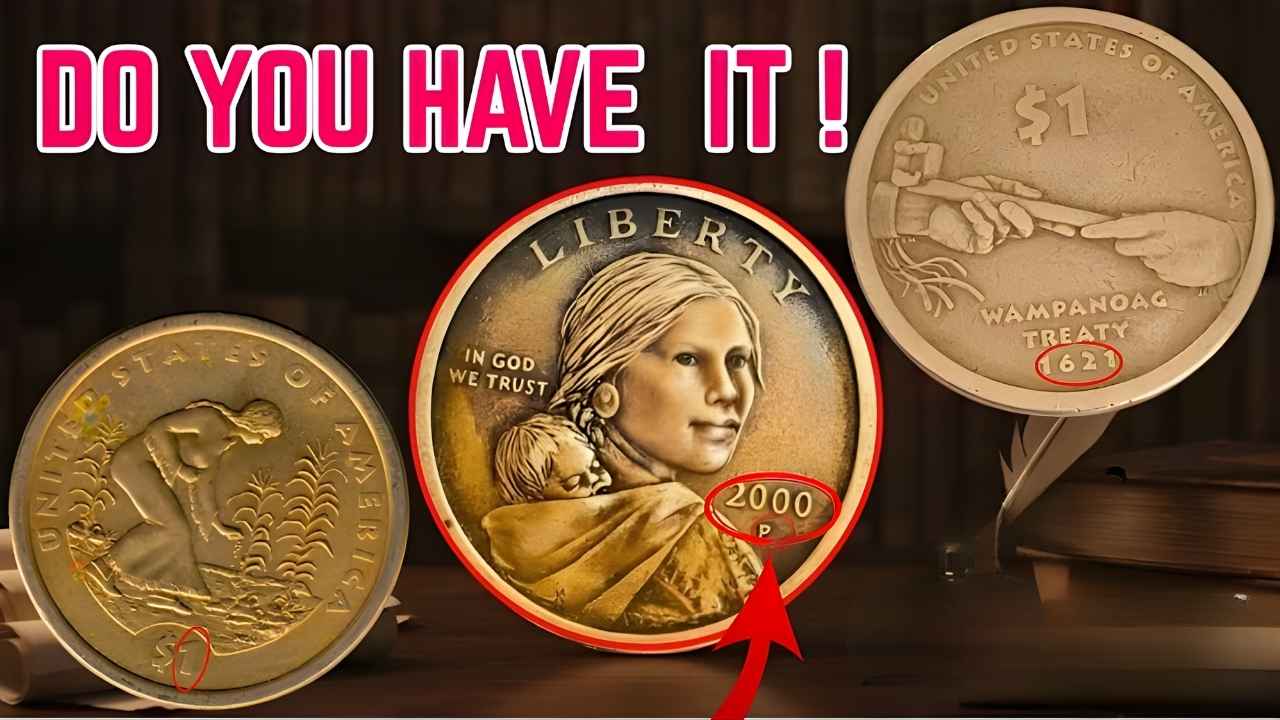
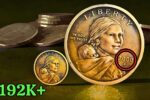
Sacagawea Dollar Value Guide 2026: The Sacagawea Dollar, first released in 2000, remains one of the most fascinating modern coins in American numismatics. Featuring the Shoshone woman Sacagawea carrying her infant son, the coin was designed to honor her role in guiding the Lewis and Clark expedition. Although it was intended for circulation, the coin quickly became more popular among collectors than in everyday commerce. Over the years, mint marks, rare errors, and grading insights have shaped its value in the numismatic market. As we enter 2026, collectors continue to seek out these coins for their historical significance and investment potential.
Historical Background of the Sacagawea Dollar
The coin was introduced to replace the Susan B Anthony Dollar, which had failed to gain widespread acceptance. The Sacagawea Dollar was struck in a golden-colored manganese brass alloy, giving it a distinctive appearance. The obverse features Sacagawea with her child, while the reverse initially displayed a soaring eagle. Later years introduced Native American themes on the reverse, creating a series known as the Native American Dollar. This evolution has added depth to the series, making it more appealing to collectors.
Mint Marks and Their Importance
Mint marks are small letters on coins that indicate where they were produced. For Sacagawea Dollars, the most common mint marks are P for Philadelphia, D for Denver, and S for San Francisco. Each mint mark carries its own level of rarity and desirability. Philadelphia and Denver coins were struck for circulation, while San Francisco coins were typically proof issues. Collectors often seek complete sets containing all mint marks for each year, and certain mint mark combinations can command higher premiums.
Rare Errors That Increase Value
Error coins are among the most exciting finds in numismatics. Sacagawea Dollars are no exception, with several notable errors that have captured collector attention. One of the most famous is the Cheerios Dollar, distributed in cereal boxes in 2000. These coins feature a prototype reverse design with enhanced eagle feathers, making them extremely rare and valuable. Other errors include off-center strikes, double dies, and wrong planchet strikes. Each error tells a unique story of minting mishaps and adds significant value to the coin.
Collector Grading Insights
Grading is the process of evaluating a coin’s condition, and it plays a crucial role in determining value. Sacagawea Dollars are graded on the Sheldon scale, ranging from Poor to Mint State 70. Coins in higher grades, especially Mint State 67 and above, are highly sought after. Proof coins, struck with special dies for collectors, often achieve higher grades due to their careful production. Understanding grading standards helps collectors make informed decisions and avoid overpaying for lower-quality coins.
The Cheerios Dollar Phenomenon
The Cheerios Dollar deserves special attention due to its unique place in numismatic history. In 2000, General Mills partnered with the US Mint to distribute Sacagawea Dollars in cereal boxes. These coins were later discovered to have a prototype reverse design, making them distinct from regular issues. Today, Cheerios Dollars are among the most valuable modern coins, often selling for thousands of dollars depending on condition. Their rarity and backstory make them a centerpiece in any collection.
Proof and Mint Set Issues
Proof coins and mint sets are another area of interest for collectors. Proof Sacagawea Dollars, struck at the San Francisco Mint, feature mirror-like surfaces and sharp details. Mint sets, containing coins from both Philadelphia and Denver, provide collectors with a convenient way to acquire high-quality examples. These sets often include coins with better strikes and fewer blemishes, making them desirable for grading and long-term investment.
Market Trends in 2026
As of 2026, the market for Sacagawea Dollars remains strong. Collectors continue to show interest in rare varieties and high-grade examples. Online auctions and coin shows reveal steady demand, with prices holding firm for key issues. The Cheerios Dollar and high-grade proof coins remain top performers, while common circulation strikes are more affordable entry points for new collectors. Market trends suggest that the series will continue to appreciate as more collectors recognize its historical and artistic value.
Investment Potential of Sacagawea Dollars
Beyond collecting, Sacagawea Dollars offer investment potential. Rare errors and high-grade coins have shown consistent appreciation over the years. Investors often view these coins as tangible assets that diversify portfolios. While not every coin in the series is valuable, carefully selected pieces can yield significant returns. As with any investment, knowledge and patience are key to success in numismatics.
Tips for Collectors in 2026
For collectors entering the market in 2026, several tips can help maximize success. First, focus on quality over quantity. High-grade coins and rare varieties will always outperform common issues. Second, learn to recognize genuine errors and avoid counterfeits. Third, consider building complete sets by year and mint mark, which can enhance both enjoyment and value. Finally, stay informed about market trends and grading standards to make smart purchases.
The Role of Professional Grading Services
Professional grading services such as PCGS and NGC play a vital role in the Sacagawea Dollar market. These organizations provide authentication and standardized grading, giving buyers confidence in their purchases. Coins encapsulated in grading holders often command higher prices due to the assurance of quality. Collectors should consider submitting rare or high-grade coins for professional grading to maximize value.
Collecting Strategies for Beginners
Beginners often wonder where to start with Sacagawea Dollars. A practical approach is to begin with circulation strikes from pocket change or coin rolls. From there, collectors can expand into mint sets, proof issues, and eventually rare errors. Building a collection gradually allows beginners to learn the nuances of grading, mint marks, and market values. Over time, this knowledge builds confidence and enhances enjoyment of the hobby.

Advanced Collecting Approaches
Advanced collectors often pursue specialized strategies, such as focusing on error coins or assembling complete proof sets. Some aim to collect every reverse design in the Native American Dollar series, while others seek high-grade registry sets. These advanced approaches require dedication and often significant financial investment, but they yield collections of exceptional quality and rarity.
The Future of the Sacagawea Dollar Series
Looking ahead, the Sacagawea Dollar series continues to evolve through the Native American Dollar program. Each year introduces new reverse designs highlighting Native American contributions to US history. This ongoing evolution ensures that the series remains fresh and engaging for collectors. As more designs are added, the challenge of building complete collections grows, adding excitement to the hobby.
Conclusion
The Sacagawea Dollar stands as a testament to American history, artistry, and numismatic innovation. From mint marks to rare errors, from grading insights to investment potential, the series offers something for every collector. As of 2026, the market remains vibrant, with opportunities for both beginners and advanced collectors. Whether pursuing a Cheerios Dollar or assembling a complete set, collectors can find joy and value in this remarkable coin series. The Sacagawea Dollar is more than just currency; it is a piece of history preserved in metal, waiting to be appreciated by generations to come