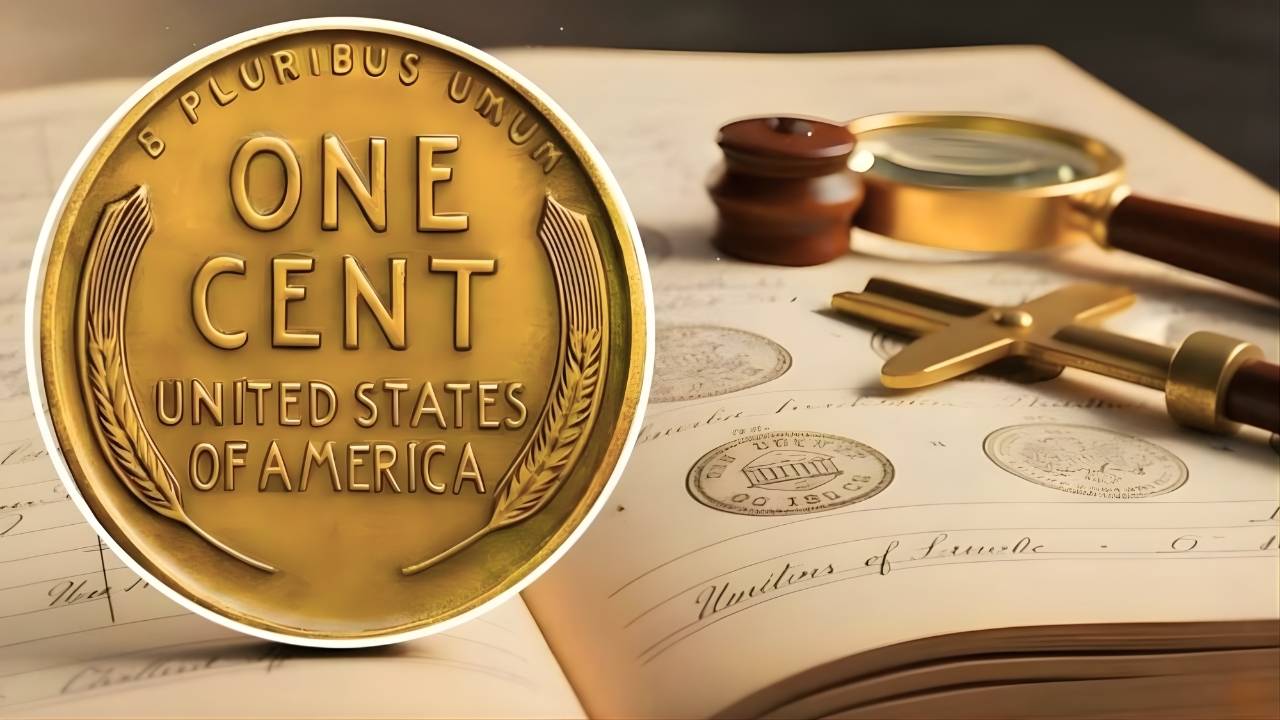
Lincoln Wheat Penny Value Guide 2026: The Lincoln Wheat Penny is one of the most iconic coins in American numismatics. First introduced in 1909, it features the portrait of Abraham Lincoln on the obverse and two wheat stalks framing the denomination on the reverse. This design remained in circulation until 1958, when it was replaced by the Lincoln Memorial reverse. For collectors, the Wheat Penny represents a rich era of coinage history, with countless varieties, mint marks, and rare errors that can dramatically affect value. In 2026, the Lincoln Wheat Penny continues to captivate collectors, with certain rare examples fetching extraordinary prices, including one that sold for 576000 dollars.
Historical Background of the Wheat Penny
The Wheat Penny was designed by Victor David Brenner and marked the first time a US coin featured a president’s portrait. Its introduction coincided with the centennial of Lincoln’s birth, making it both a numismatic and cultural milestone. The coin was struck in bronze for most of its production, though composition changes occurred during World War II when steel was used in 1943. These shifts in design and metal content have created a wide array of collectible varieties, each with its own story.
Mint Marks and Their Significance
Mint marks are small letters on coins that indicate where they were produced. For Wheat Pennies, the most common mint marks are P for Philadelphia, D for Denver, and S for San Francisco. Certain mint marks are associated with rare and valuable issues. For example, the 1909 S VDB penny is one of the most famous and valuable Wheat Pennies due to its low mintage and distinctive design. Collectors often seek complete sets containing all mint marks for each year, and certain mint mark combinations can command significant premiums.
Rare Errors That Increase Value
Error coins are highly prized among collectors, and Wheat Pennies have produced some of the most famous examples. Double die obverses, such as the 1955 and 1944 varieties, are legendary for their dramatic doubling of the date and lettering. Off-center strikes, clipped planchets, and wrong planchet errors also add intrigue and value. Each error represents a unique minting anomaly, making these coins rare and desirable. Collectors often pay significant premiums for well-documented error coins in high grades.
Collector Grading Insights
Grading is essential in determining the value of Wheat Pennies. Coins are graded on the Sheldon scale, ranging from Poor to Mint State 70. Circulated coins often show wear, reducing their grade, while uncirculated coins retain sharp details and luster. Red coloration in copper coins is particularly prized, as it indicates minimal oxidation. Professional grading services such as PCGS and NGC provide authentication and standardized grading, giving collectors confidence in their purchases. High-grade examples of rare varieties can command thousands of dollars, and in some cases hundreds of thousands.
The 576000 Dollar Wheat Penny
Among the most remarkable sales in recent years was a Lincoln Wheat Penny that sold for 576000 dollars. This coin was a rare variety in exceptional condition, combining scarcity with pristine preservation. Such sales highlight the extraordinary potential of Wheat Pennies in the numismatic market. While most Wheat Pennies are worth only a few cents in circulated condition, rare varieties in high grades can achieve staggering prices. This record-setting sale underscores the importance of knowledge, grading, and rarity in coin collecting.
Key Dates Every Collector Should Know
Certain dates in the Wheat Penny series are considered key due to their rarity and historical significance. The 1909 S VDB is the most famous, with only 484000 minted. The 1914 D is another key date, with low mintage and high demand. The 1922 No D penny, struck in Denver without a visible mint mark, is a fascinating variety. The 1931 S is also scarce, with fewer than one million minted. Collectors often build their collections around these key dates, which serve as milestones in the series.
The Steel Pennies of 1943
During World War II, copper was needed for military purposes, leading to the production of steel pennies in 1943. These coins are distinctive for their silver-gray color and magnetic properties. While common in circulated condition, high-grade examples are valuable. A few 1943 copper pennies were mistakenly struck, and these are among the rarest and most valuable coins in American numismatics. Discovering a genuine 1943 copper penny is the dream of many collectors, as they can sell for tens of thousands or even hundreds of thousands of dollars.
Proof and Mint Set Issues
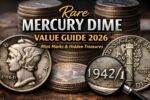
Proof Wheat Pennies, struck at the Philadelphia Mint, feature mirror-like surfaces and sharp details. These coins were produced specifically for collectors and often achieve high grades. Mint sets, containing coins from multiple mints, provide collectors with high-quality examples for each year. Proof and mint set issues are essential for building comprehensive collections, and they often include varieties not found in circulation. Collectors value these coins for their beauty and rarity.
Market Trends in 2026
As of 2026, the market for Wheat Pennies remains strong. Key dates and rare errors continue to command high prices, while common circulation strikes are more affordable entry points for beginners. Online auctions and coin shows reveal steady demand, with prices holding firm for top varieties. The 1909 S VDB, 1914 D, and 1955 Double Die remain perennial favorites. Market trends suggest that Wheat Pennies will continue to appreciate as more collectors recognize their historical and artistic value.

Investment Potential of Wheat Pennies
Wheat Pennies offer significant investment potential, particularly rare varieties and high-grade examples. Investors view these coins as tangible assets that diversify portfolios. While not every penny is valuable, carefully selected pieces can yield impressive returns. The key is knowledge and patience, as the numismatic market rewards those who understand rarity and grading. Wheat Pennies combine historical significance with investment appeal, making them a smart choice for collectors and investors alike.
Tips for Collectors in 2026
For collectors entering the market in 2026, several tips can enhance success. First, focus on quality over quantity. High-grade coins and rare varieties will always outperform common issues. Second, learn to recognize genuine errors and avoid counterfeits. Third, consider building complete sets by year and mint mark, which can enhance both enjoyment and value. Finally, stay informed about market trends and grading standards to make smart purchases. Knowledge is the most powerful tool in numismatics.
The Role of Professional Grading Services
Professional grading services provide authentication and standardized grading, which are essential in today’s market. Coins encapsulated in grading holders often command higher prices due to the assurance of quality. Collectors should consider submitting rare or high-grade coins for professional grading to maximize value. These services also protect coins from damage and preserve them for future generations. In a market where condition is everything, professional grading is a wise investment.
Collecting Strategies for Beginners
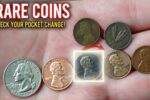
Beginners often wonder where to start with Wheat Pennies. A practical approach is to begin with circulation strikes from pocket change or coin rolls. From there, collectors can expand into mint sets, proof issues, and eventually rare errors. Building a collection gradually allows beginners to learn the nuances of grading, mint marks, and market values. Over time, this knowledge builds confidence and enhances enjoyment of the hobby. Wheat Pennies are accessible, making them ideal for new collectors.
Advanced Collecting Approaches
Advanced collectors often pursue specialized strategies, such as focusing on error coins or assembling complete proof sets. Some aim to collect every variety of transitional issues, while others seek high-grade registry sets. These advanced approaches require dedication and often significant financial investment, but they yield collections of exceptional quality and rarity. For those who enjoy challenges, advanced collecting offers endless opportunities.
The Future of the Wheat Penny Series
Although Wheat Pennies are no longer in production, their legacy continues to thrive in the numismatic community. The series’ historical significance and variety ensure that collectors will continue to find new opportunities. As more people recognize the value of Wheat Pennies, demand is likely to grow. The future of the series is bright, with collectors worldwide preserving its legacy and celebrating its artistry.
Conclusion
The Lincoln Wheat Penny is more than just a coin; it is a piece of American history. From mint marks to rare errors, from grading insights to investment potential, the series offers something for every collector. As of 2026, the market remains vibrant, with opportunities for both beginners and advanced collectors. Whether pursuing a 1909 S VDB, a 1943 copper penny, or marveling at the record-setting 576000 dollar sale, collectors can find joy and value in this remarkable coin series. The Wheat Penny stands as a testament to history, artistry, and numismatic innovation, waiting to be appreciated by generations to come.